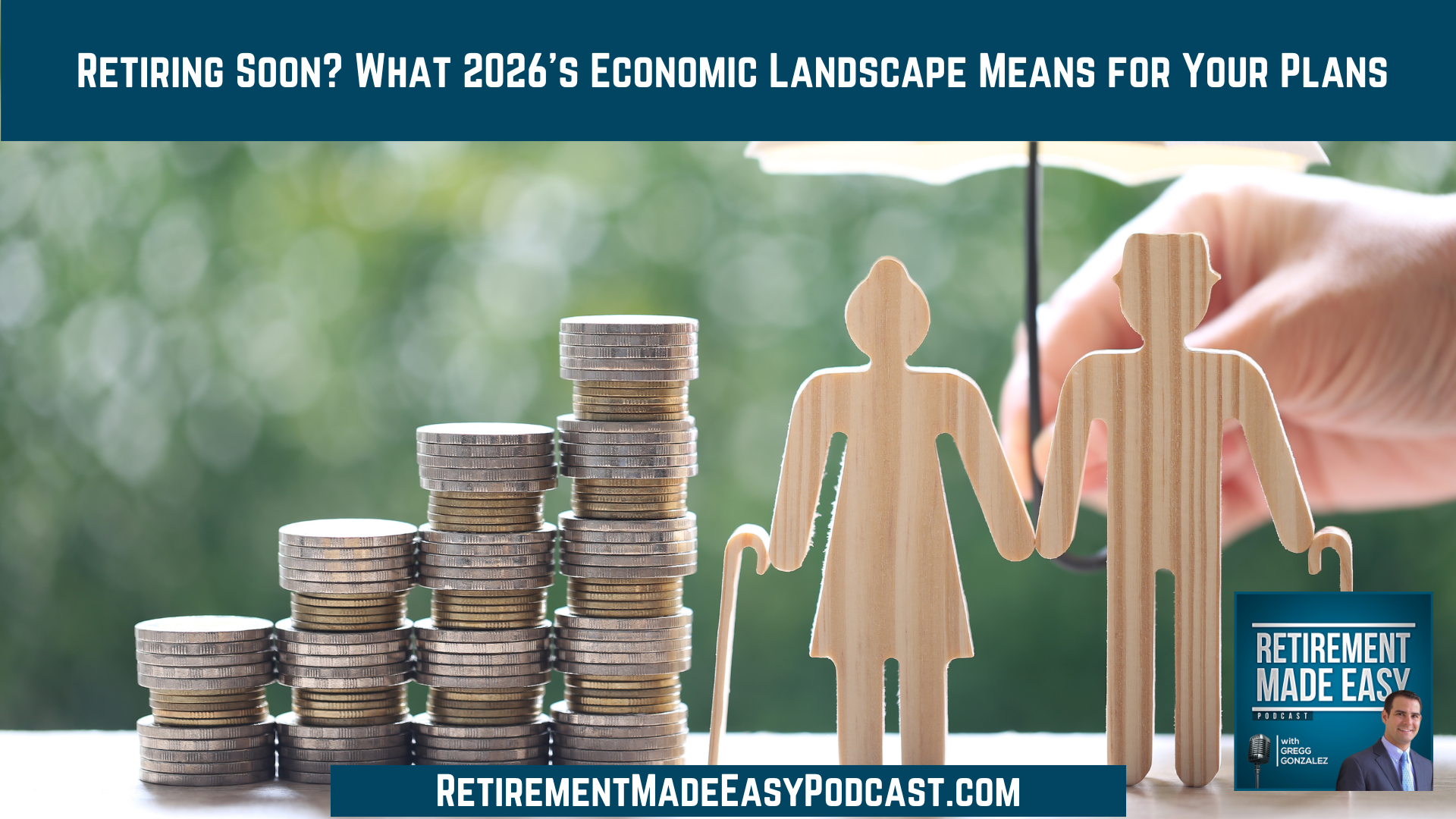
What does it mean to retire in 2026, and how does today’s retirement landscape differ from 10 or 20 years ago? With more retirees facing challenges such as rising healthcare costs, higher cost of living, concerns about Social Security, shifting demographics, and the impacts of national debt, this episode digs into the current risks and opportunities for those planning their golden years. I share insights from a recent Goldman Sachs retirement study and answer listener questions on retirement planning software, investment strategy before retirement, handling 401(k) and IRA loans, and Social Security rules for working retirees.
You will want to hear this episode if you are interested in…
- [00:00] Retirement planning in 2026
- [06:28] Current market conditions and challenges
- [10:31] Rising health insurance costs
- [14:24] Financial strain on parents supporting kids
- [18:48] Concerns about retirement taxes
- [23:21] Preparing for financial downturns
- [28:20] Understanding 401 (k) and IRA loans
- [32:35] Social Security benefits and retirement planning
- [37:23] Understanding annuities and IRA conversions
Inflation and the Cost of Living
One of the biggest concerns voiced by pre-retirees is how much more expensive life has become. The past decade, especially following COVID-19, has seen inflation spike well above its historical average. Not only are day-to-day essentials like groceries and gas more costly, but so too are the experiences retirees often look forward to—such as travel and dining out. With airline tickets and fuel prices high, the cost of enjoying retirement can quickly outpace what many planned for just a few years ago.
Healthcare: An Ever-Increasing Expense
Another major pain point is the skyrocketing cost of healthcare. Medicare premiums have jumped (with Medicare Part B premiums alone increasing by over 9% in one year recently), and pre-Medicare retirees face especially steep coverage costs. Whether paying directly, dealing with COBRA, or navigating the healthcare exchange, retirees must factor in the rising cost of both routine and unpredictable medical needs, which eat into savings at a faster rate.
Social Security and Family Support
With millions of Baby Boomers now collecting benefits and the youngest Boomers becoming eligible, there is increased pressure on the system. There are some very real concerns about funding gaps and the likelihood that Congress will have to make difficult decisions soon to ensure benefits remain viable for future generations.
Retirement planning is now more deeply intertwined with broader demographic changes. People are waiting longer to marry, buy homes, and start families—all of which impact when and how retirees are called upon to support children and grandchildren. Whether contributing to down payments, funding weddings, or assisting with fertility treatments and adoptions, modern retirees often find their savings supporting family milestones happening later in life.
National Debt and Tax Policy
Government debt is at record highs, surpassing $39 trillion, and this raises serious questions about future tax rates. Retirees must plan for the possibility that taxes will increase, which could impact how much of their savings they’ll have available for spending.
Retirement in 2026 and beyond is both promising (with record numbers of millionaires) and uniquely challenging. By understanding these new realities, today’s retirees can build a plan that provides peace of mind and the freedom to enjoy life’s next chapter.
Resources & People Mentioned
Connect With Gregg Gonzalez
- Email at: Gregg@RetireSTL.com
- Podcast: https://RetirementMadeEasyPodcast.com
- Website: https://StLouisFinancialAdvisor.com
- Follow Gregg on LinkedIn
- Follow Gregg on Facebook
- Follow Gregg on YouTube
Subscribe to Retirement Made Easy